Welcome to my digital workshop :)

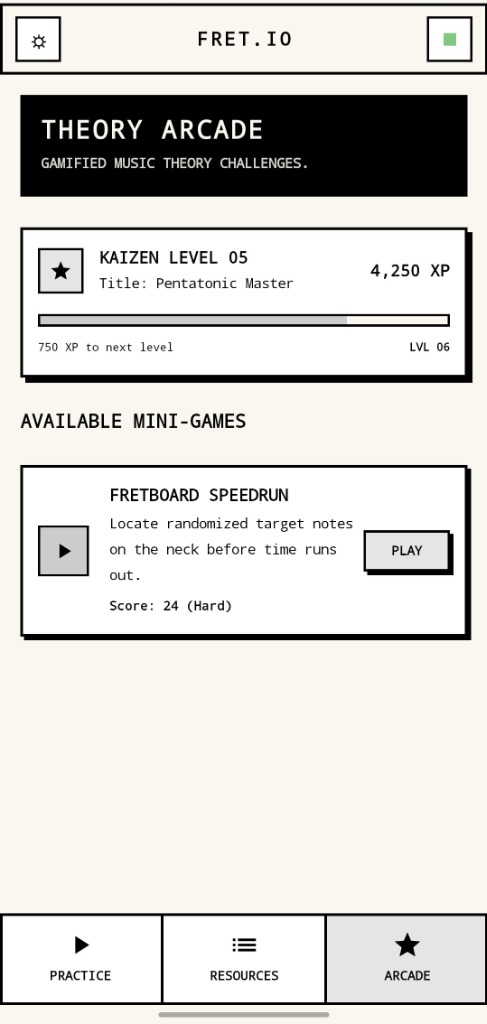
Fret.io Screenshot 1
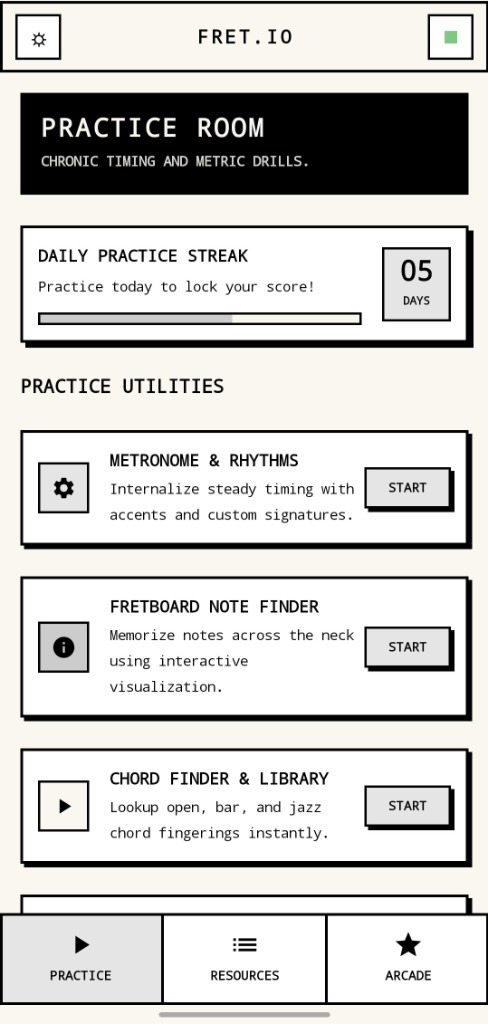
Fret.io Screenshot 2
Fret.io

Fret.io

A sleek toolkit for the modern guitarist. An android application engineered for interactive scale analysis and dynamic chord mapping.

View Project
Fret.io
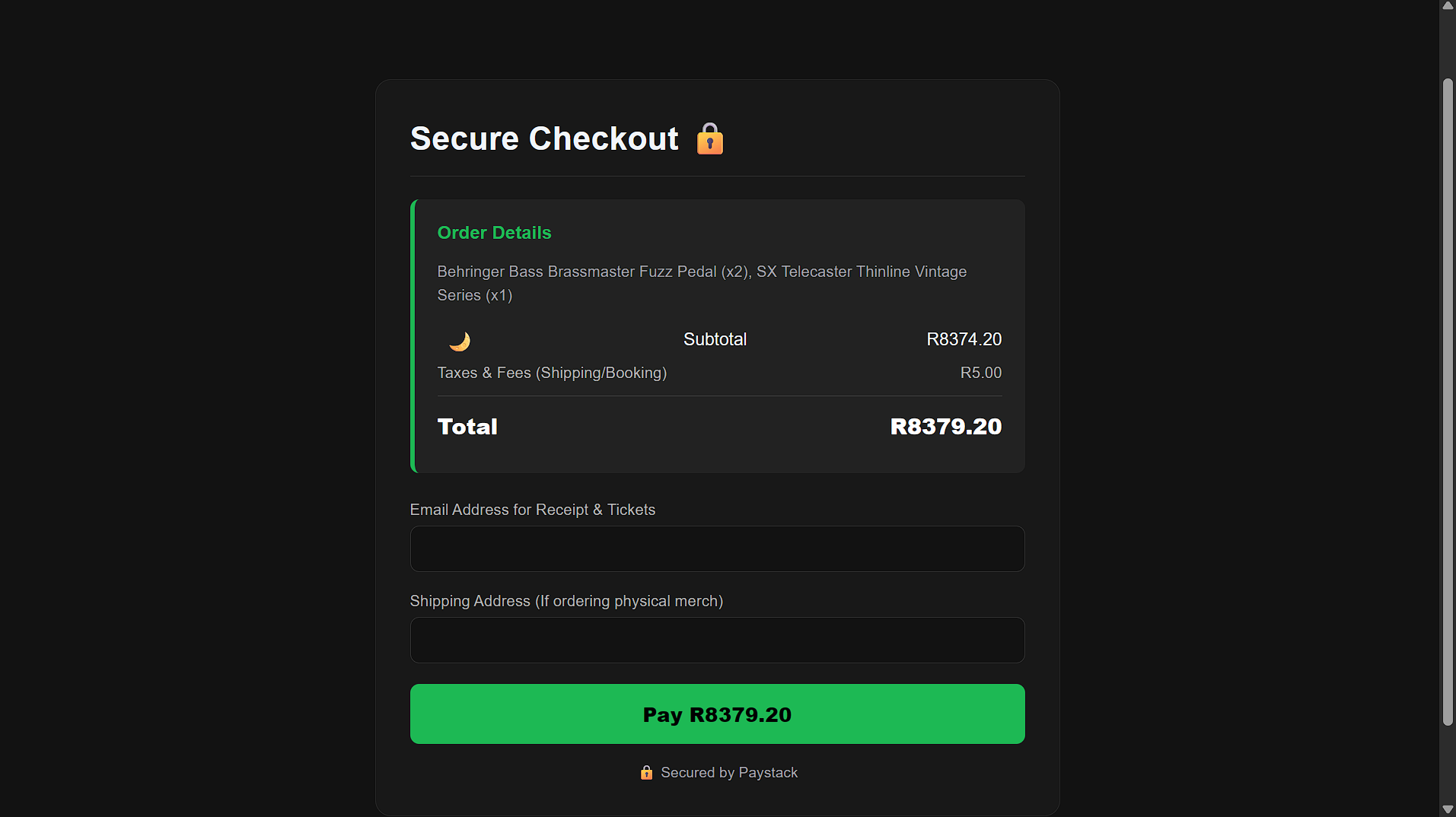
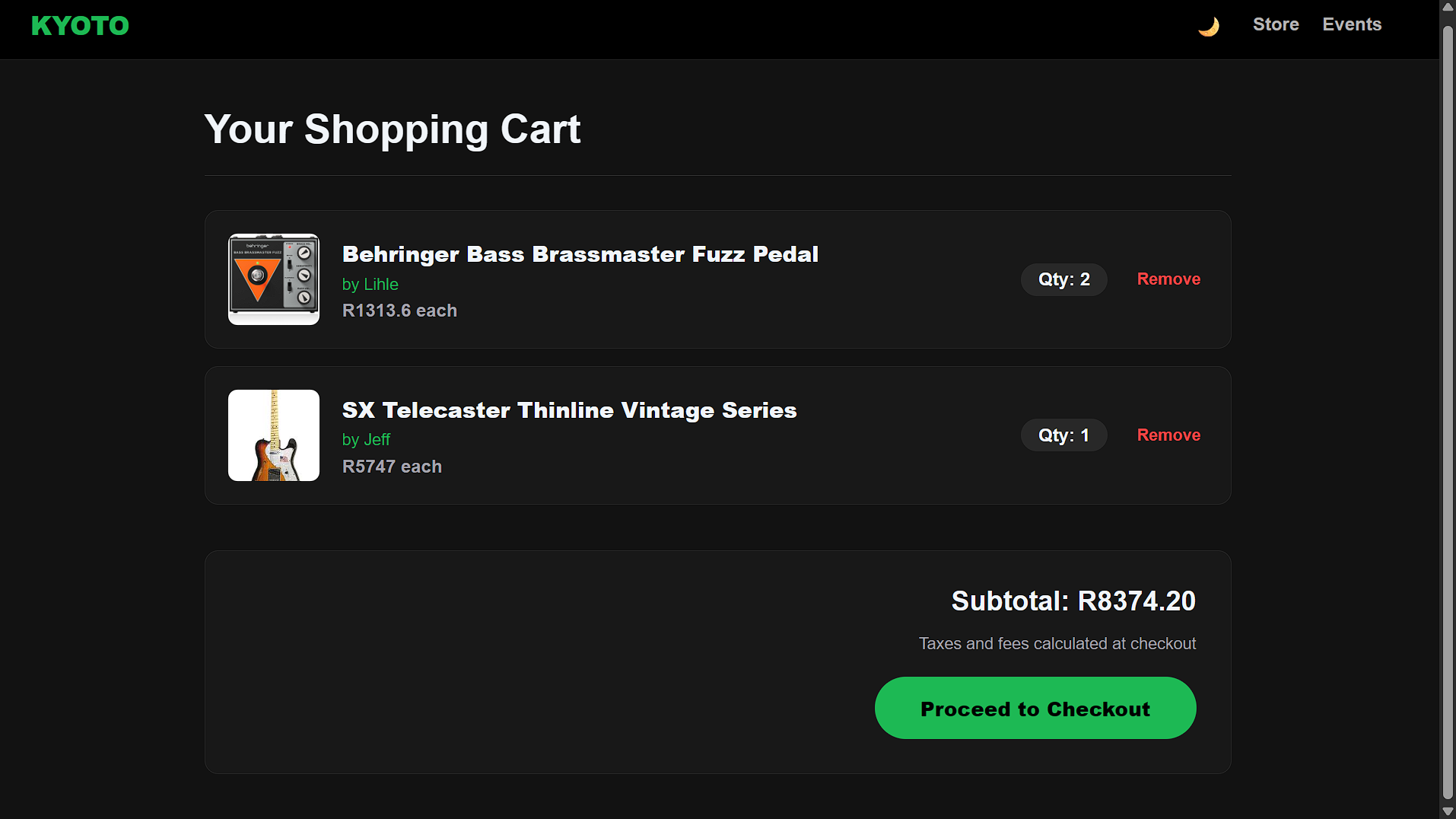
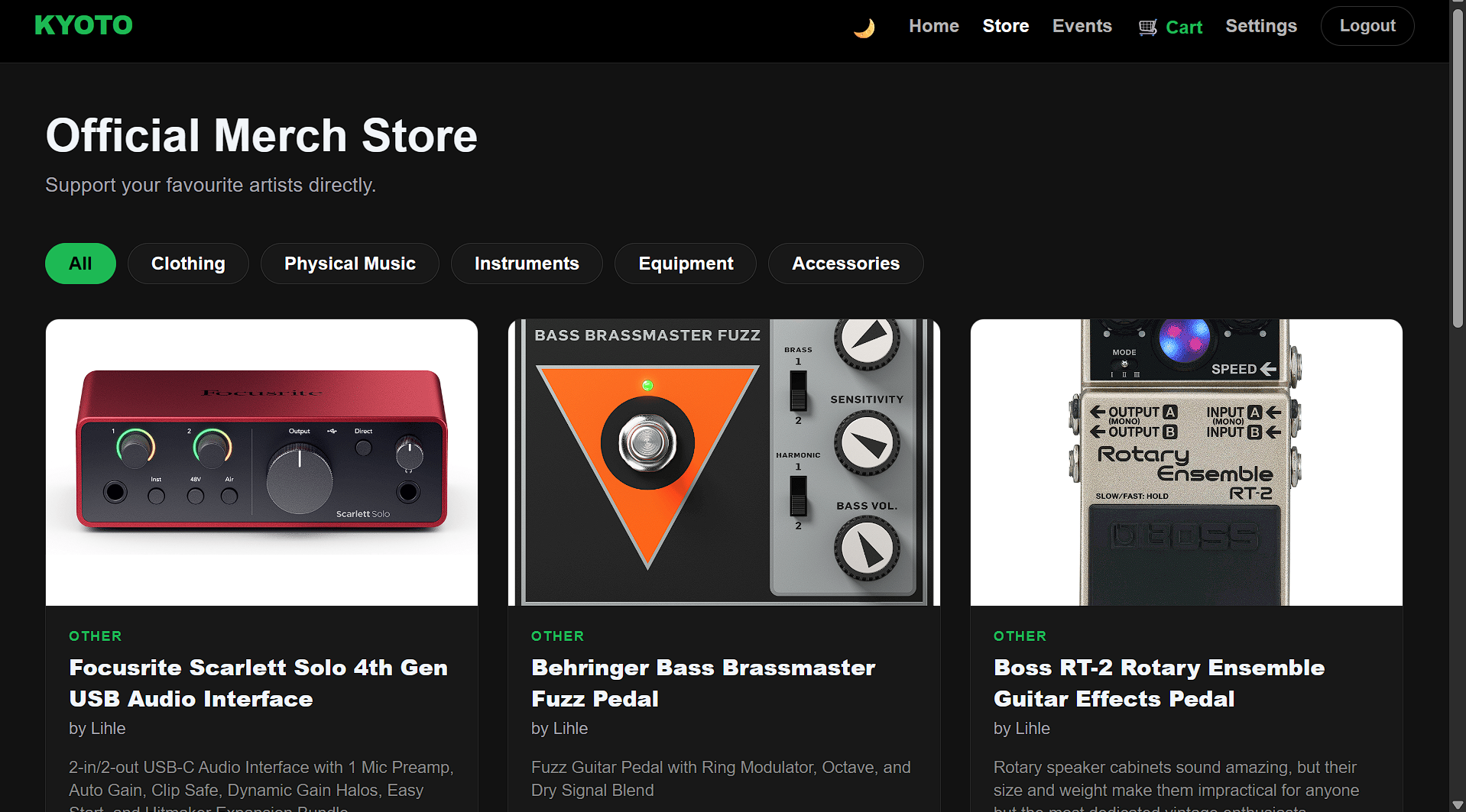
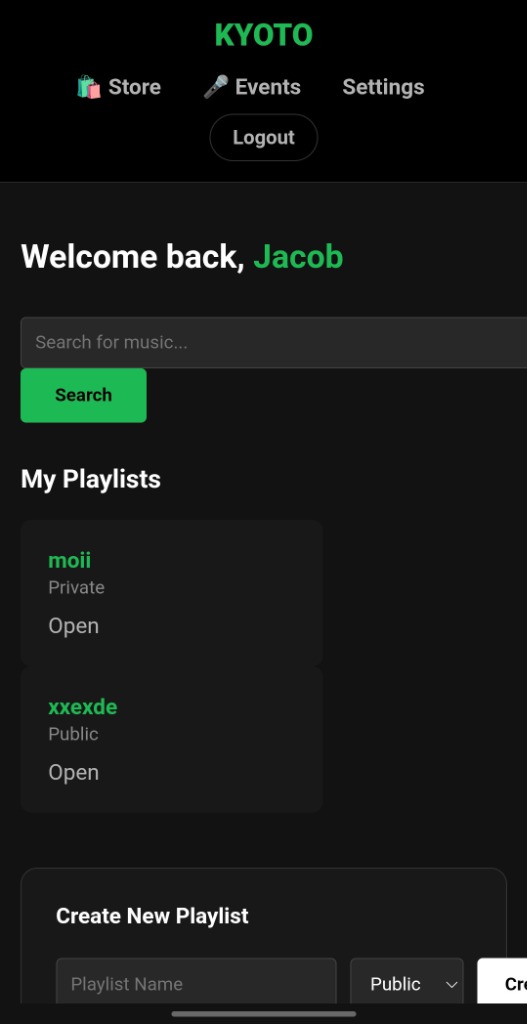
Kyoto Music Screenshot 1
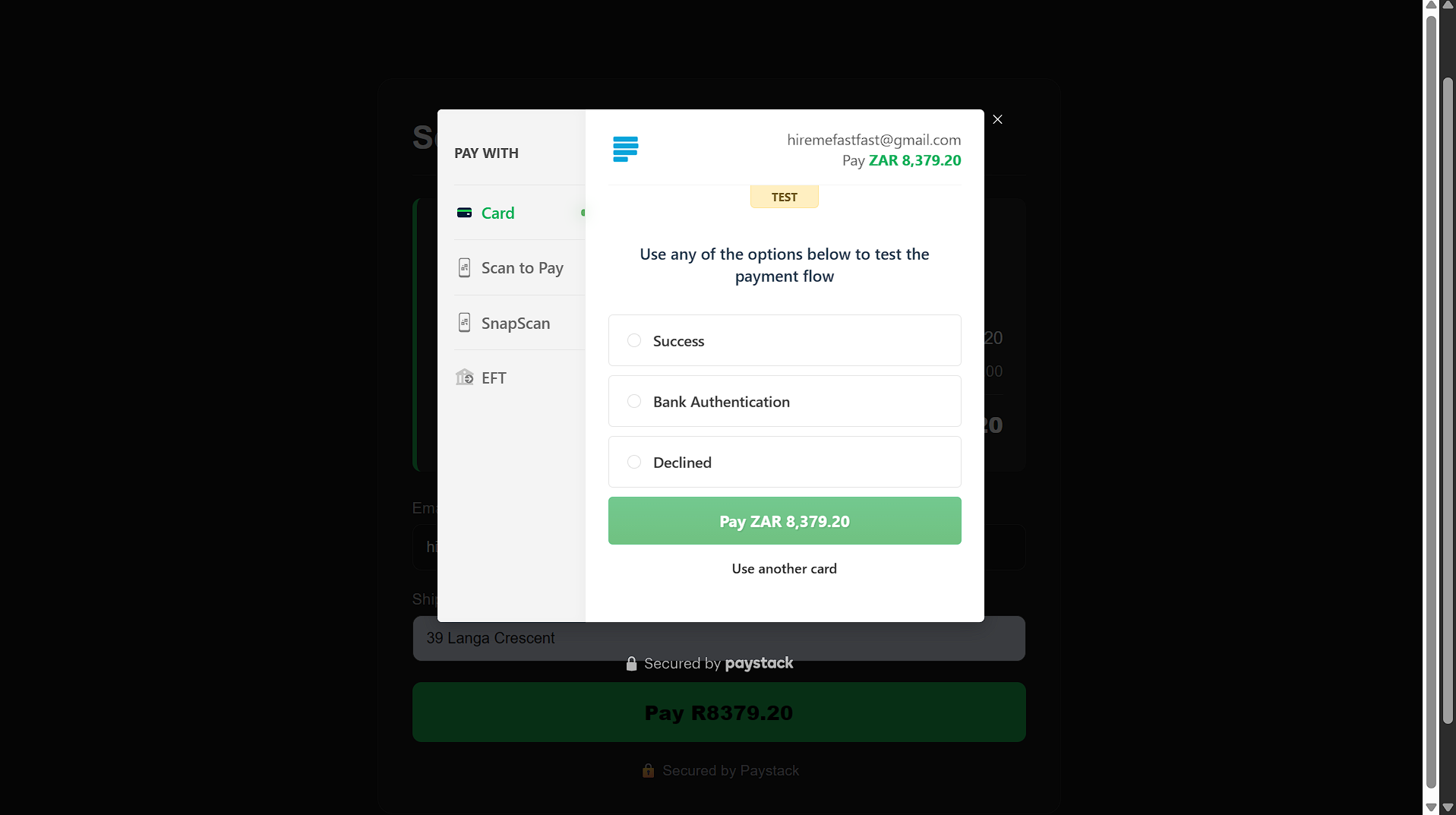
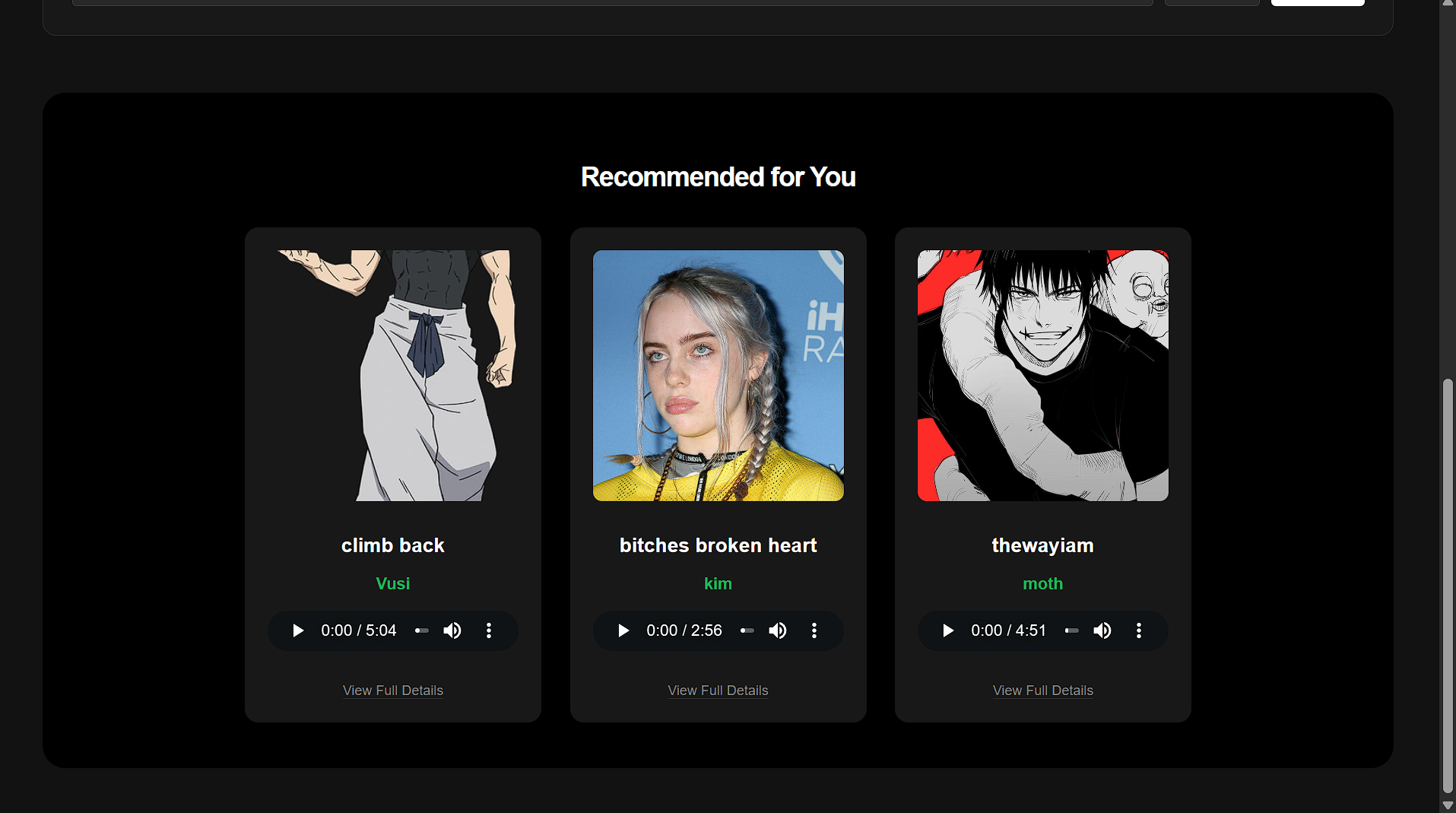
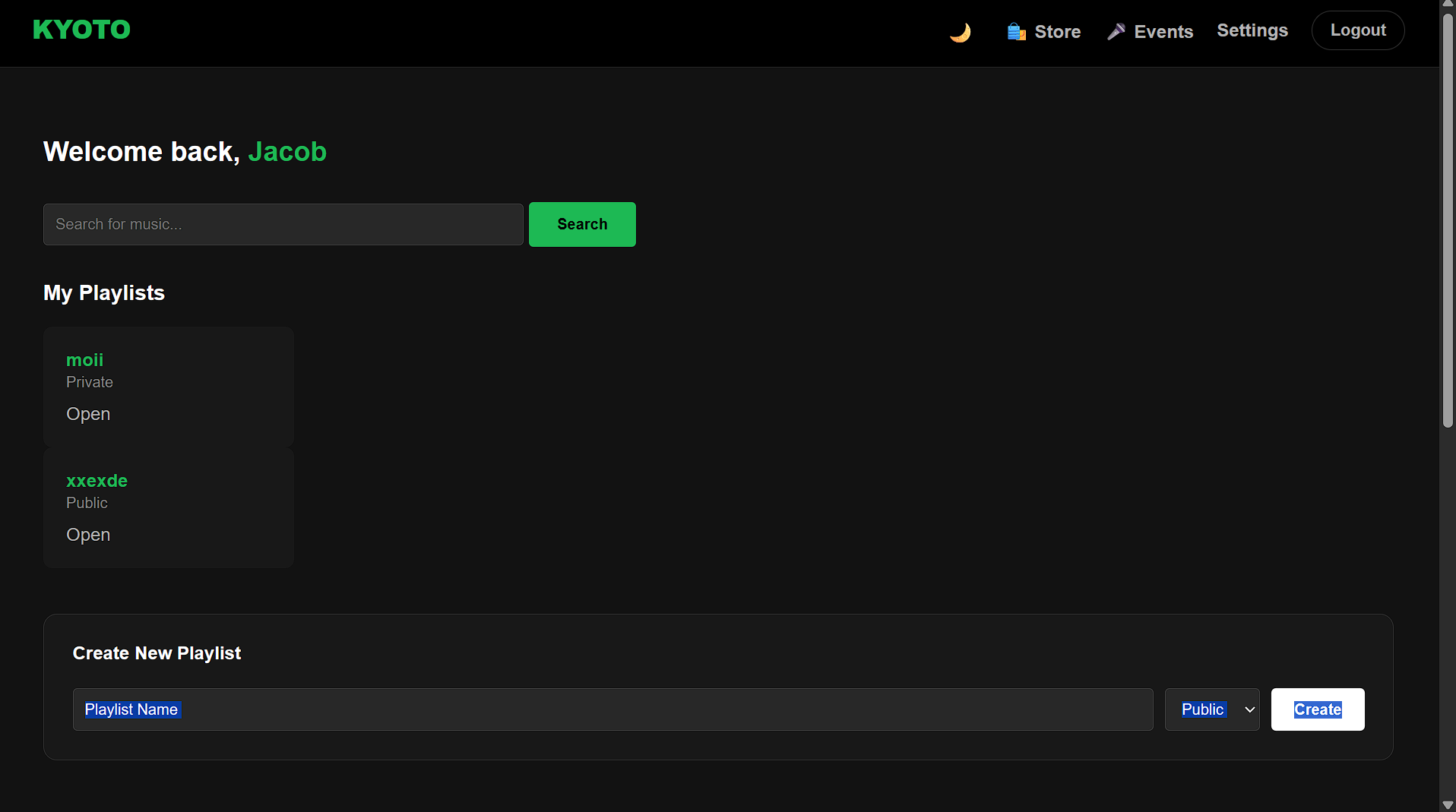
Kyoto Music Screenshot 2
Kyoto Music

Kyoto Music

A full-stack audio experience. Seamless streaming, dynamic routing, and a front-end that looks as crisp as a freshly tuned Stratocaster.

View Project
Kyoto Music
↑ Export SVG
Should designers code?
😊
ten thousand hours
🎸

About Me

Kutloano

Crafting seamless Web and Android apps is my bread and butter. When I'm not deep in Kotlin or Java, I'm usually dialing in the hours on my guitar. I'm here to build cool stuff.

Read about me
About Me

Hello! I'm Kutloano, a Computer Science student specializing in native Android experiences and robust full-stack web platforms. I spend my time optimizing system topologies, writing complex object-oriented logic, and pretending my code compiles on the first try.

Fret.io App Icon

Fret.io

View Source

Fret.io is an interactive, low-latency utility designed specifically for modern stringed instrumentalists. Built to decode complex fingerings, map out alternative modal scales, and provide dynamic chord visualization, the platform helps musicians explore system topologies of the fretboard directly on their Android devices. Focused on high-performance rendering and a minimal cognitive load user interface.

Kotlin logo Kotlin Jetpack Compose logo Jetpack Compose Android logo Android SDK Android logo AudioTrack API Android logo AudioRecord API Android logo YIN Pitch Detection

What's Fret.io and what's so cool about it?

About Me Profile Icon

Fret.io is a native Android utility for stringed instrumentalists. It sits somewhere between a real-time analyzer and a digital practice room.

I wanted a tool that didn't just spit out static tabs, but actually decoded complex fingerings and mapped out modal scales interactively. It's focused heavily on high-performance rendering and keeping cognitive load to an absolute minimum while you're holding an instrument.

Everything runs locally on the device to ensure zero-latency feedback. No servers, no lag. Just you, the fretboard, and immediate pitch detection.

What's under Fret.io's hood? Which technologies were used and why?

About Me Profile Icon

It’s built entirely in Kotlin. The UI is driven by Jetpack Compose for that crisp, declarative state management. For the real-time audio processing, I had to drop down into the native Android SDK to interface directly with the device's hardware.

Kotlin logo
Kotlin Primary programming language
Jetpack Compose logo
Jetpack Compose Declarative UI framework
Android logo
Android SDK Native mobile engine
Android logo
AudioTrack API Real-time waveform & sound synthesis
Android logo
AudioRecord API Low-latency microphone capture
Android logo
YIN Pitch Detection Core frequency tracking algorithm
Kyoto Music App Icon

Kyoto Music

Visit

Kyoto Music is a high-fidelity web application built on Spring Boot and Java. The backend handles all routing, security interceptors, controller mappings, and transactional mailing, while the frontend is dynamically rendered server-side using Thymeleaf coupled with modern, responsive vanilla CSS. Engineered to support secure merchandise payment processing and high-volume media streaming at serverless edge speeds.

Spring Boot logo Spring Boot Java logo Thymeleaf Cloudflare logo Cloudflare D1 Cloudflare logo Cloudflare R2 Paystack logo Paystack Java logo JavaMailSender Apache Maven logo Maven Render logo Render

What’s under Kyoto Music’s hood? Which technologies were used and why did you choose them?

About Me Profile Icon

Kyoto Music is a high-fidelity web application built on Spring Boot and Java. The backend handles all routing, security interceptors, controller mappings, and transactional mailing, while the frontend is dynamically rendered server-side using Thymeleaf coupled with modern, responsive vanilla CSS.

We wanted an architecture that was robust enough for secure payment processing and high-volume media streaming, yet lightweight and fast to scale globally. By choosing to build Kyoto Music around Cloudflare's modern serverless edge architecture, we avoided bloated database servers and high hosting overhead.

All transactional and catalog data (including listener profiles, playlists, artist statistics, merchandise stock, and ticket transactions) is stored in Cloudflare D1—a serverless edge database built on SQLite. For media, instead of storing heavy audio files and high-res cover art on the web server, everything is hosted on Cloudflare R2 object storage. This ensures lightning-fast streaming speeds for listeners, zero egress fee expenses, and seamless uploads for artists.

Payments for merchandise and show tickets are handled safely via Paystack, and transactional receipts are delivered securely via JavaMailSender. The entire setup compiles with Maven and deploys automatically to Render directly from Git.

Spring Boot logo
Spring Boot Enterprise Java framework powering the core server, routing, and APIs
Java logo
Thymeleaf Modern server-side Java template engine used to dynamically render the user interface
Cloudflare logo
Cloudflare D1 Serverless edge SQL database running on SQLite for ultra-fast, globally distributed data storage
Cloudflare logo
Cloudflare R2 Fully S3-compatible serverless object storage for hosting audio files and graphics with zero egress fees
Paystack logo
Paystack Secure, modern payment gateway integration for buying merchandise and concert tickets
Java logo
JavaMailSender Transactional email service for delivering purchase receipts, sales notifications, and door tickets
Apache Maven logo
Maven Build automation and dependency management tool for clean, reproducible compilations
Render logo
Render Cloud hosting platform used for automated Git deployments, environment management, and scale